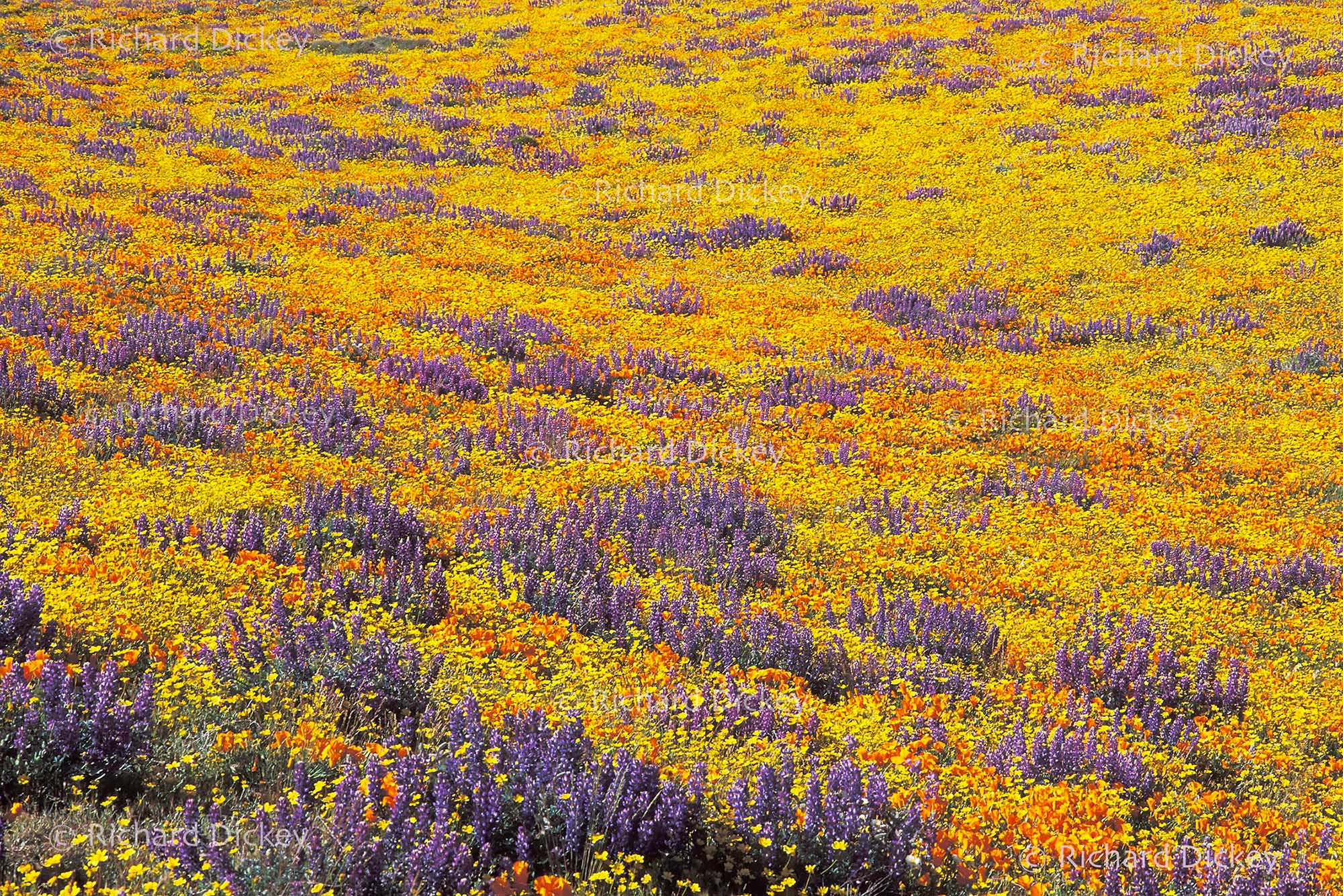
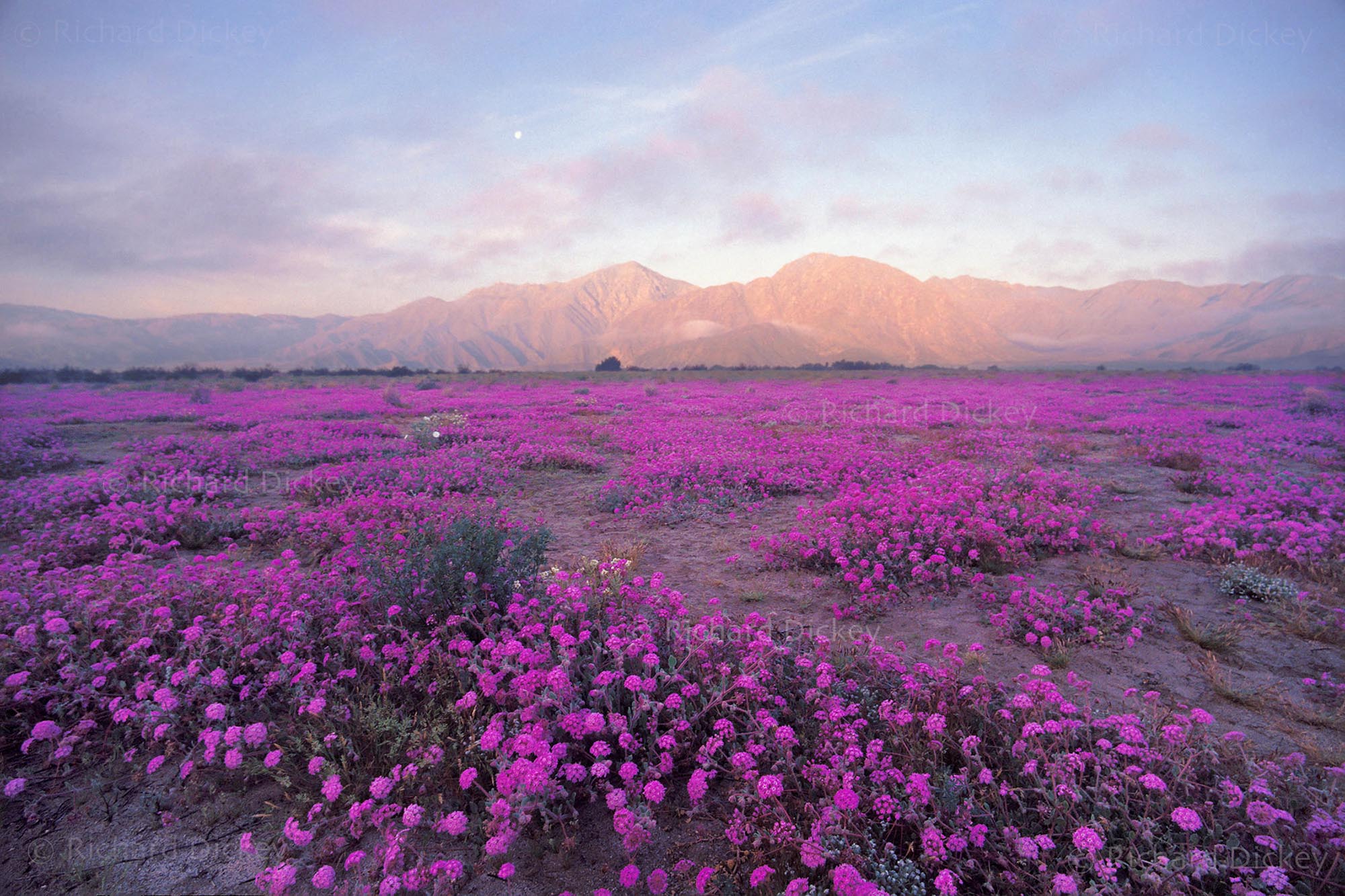
Tejon Ranch, California · Spring 1992 · Kodachrome Transparency Film
What Defines a Super Bloom?
When an Entire Landscape Becomes Flowers
In recent years, the word “Super Bloom” has been everywhere. But what does it actually mean? Where did it come from—and how much of the hype is real?
The term has been used so widely that it’s hard to keep track. Almost everything seems to be borrowing it: creative agencies, eco-friendly paint experiences, landscape architecture, wellness classes, group therapy, video games, coffee shops, retail stores and even music and comedy albums. As of October 2025, someone has even filed a trademark to use SUPERBLOOM as the name of an online grocery delivery service.
One Million Desert Wildflowers in Bloom
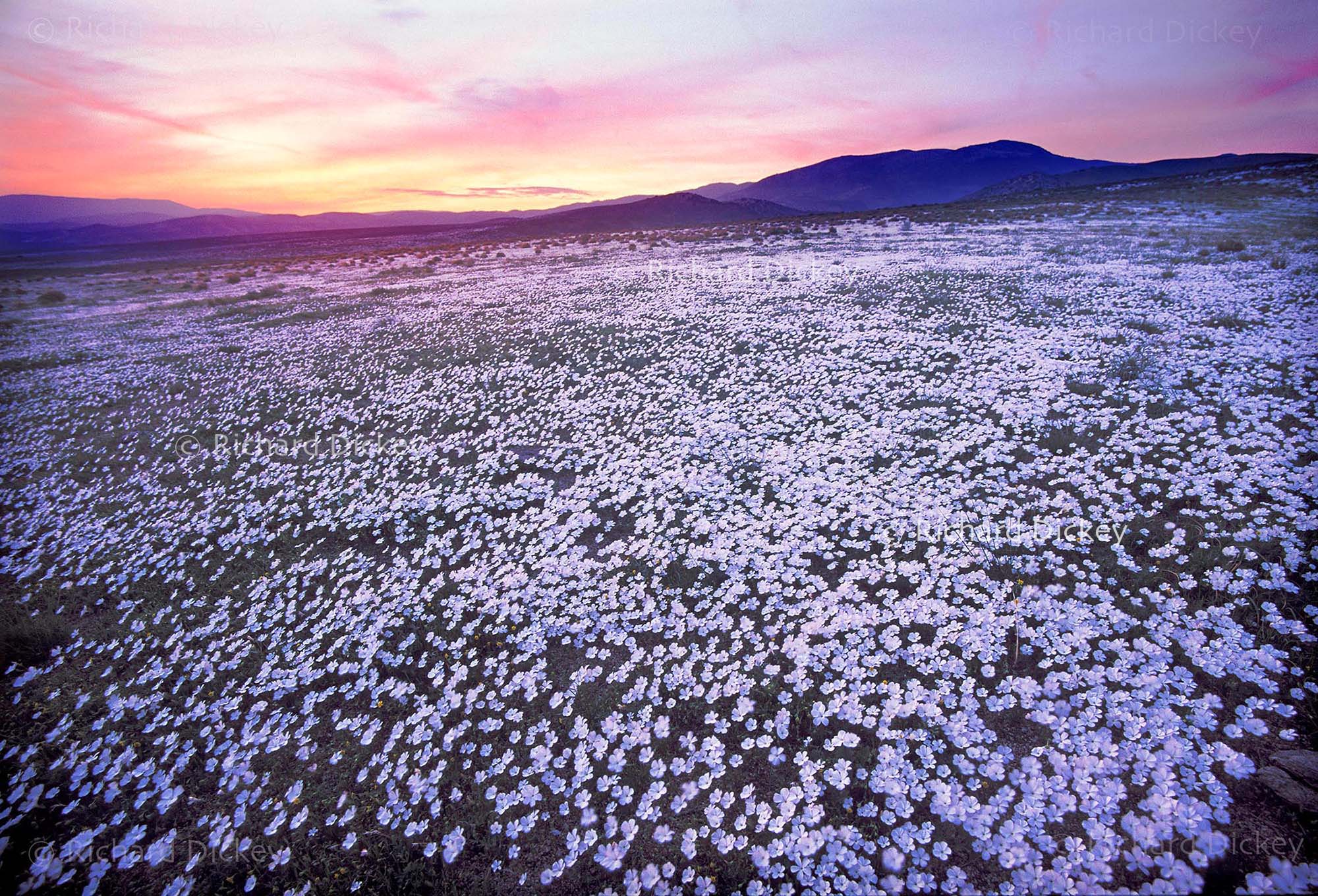
At its heart, a super bloom is a rare and stunning natural event. When seasonal rains fall in just the right amount at just the right time, vast numbers of desert wildflowers can emerge simultaneously, transforming hills, valleys and plains that may have appeared barren for years—or even decades—into dense carpets of color.
In California, these displays are most often found in desert regions and interior valleys, where dormant seeds wait patiently in the soil for the perfect combination of rain, temperature and sunlight. When conditions align, millions—or even billions—of flowers burst into bloom at once, blanketing hillsides and plains in a dazzling array of color. It’s a fleeting spectacle, lasting only a few weeks if you’re lucky—and sometimes vanishing in just days from the wind or heat.
Although California is the most iconic setting, superblooms also appear in a handful of arid regions around the world—such as Chile’s Atacama Desert and parts of South Africa. Yet, California remains the true epicenter of the super bloom.
From Carpet Blooms to California Super Blooms
Any wildflower season is a beautiful sight, but not all qualify as a true super bloom. What distinguishes a super bloom is the combination of three key elements: density, scale and variety—the greater each of these, the more spectacular the display becomes.
Flowers grow so closely together that the ground can appear almost completely covered.
Hillsides, valleys and plains are transformed across distances far beyond an ordinary patch of flowers.
Multiple colors, species and textures combine across the landscape into a living tapestry.
These elements come together to create what originally were described as “carpet blooms” in the 1990s, when this website first began. The image above—a single Kodachrome slide photographed on Tejon Ranch in 1992—captures more than one million individual flowers, illustrating the remarkable abundance, size and diversity that define a true super bloom.
When a super bloom happens, the difference is unmistakable. The landscape doesn’t merely contain flowers—it transforms into them. Entire valleys and hills erupt in color so dense, expansive and varied that the landscape becomes a surreal, dreamlike panorama that floods the senses—sight, sound and smell—leaving one completely awestruck and emotionally smitten.
How the Word “Super Bloom” Came to Be
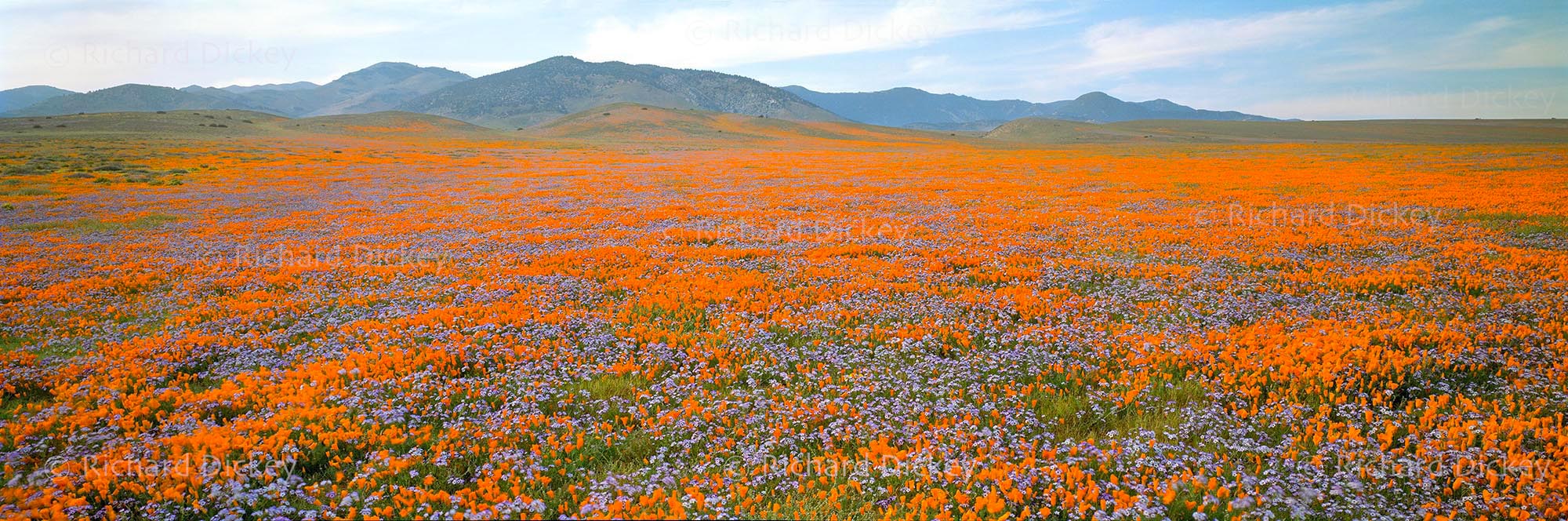
While large-scale wildflower blooms have likely occurred across California for millennia, the term “super bloom” is relatively new. When I started photographing flowers in the mid-1980s, a small group of people used the term “carpet bloom” to perfectly capture the intense floral displays that blanketed the ground. Other photographers, journalists and news outlets employed terms such as “intense bloom,” “one-in-a-hundred-year bloom,” “bloom of the century,” “bloom of the decade,” “bloom of a lifetime,” “surreal carpet blooms,” “ephemeral carpet blooms,” along with various other superlatives, to convey the extraordinary scale of these events.
Over time, as images circulated online and more people experienced these fleeting spectacles firsthand—helped by social media providing real-time updates, exact locations and timing tips—the various phrases describing these blooms began to converge. Around the mid-2010s, social media simplified and popularized the language, turning all these superlatives into a single, collective and catchy term: “super bloom.” From there, the name stuck and the rest is history.
Today, the term is often applied so broadly that it risks losing the original meaning and intent it once carried in describing a true “super bloom.”
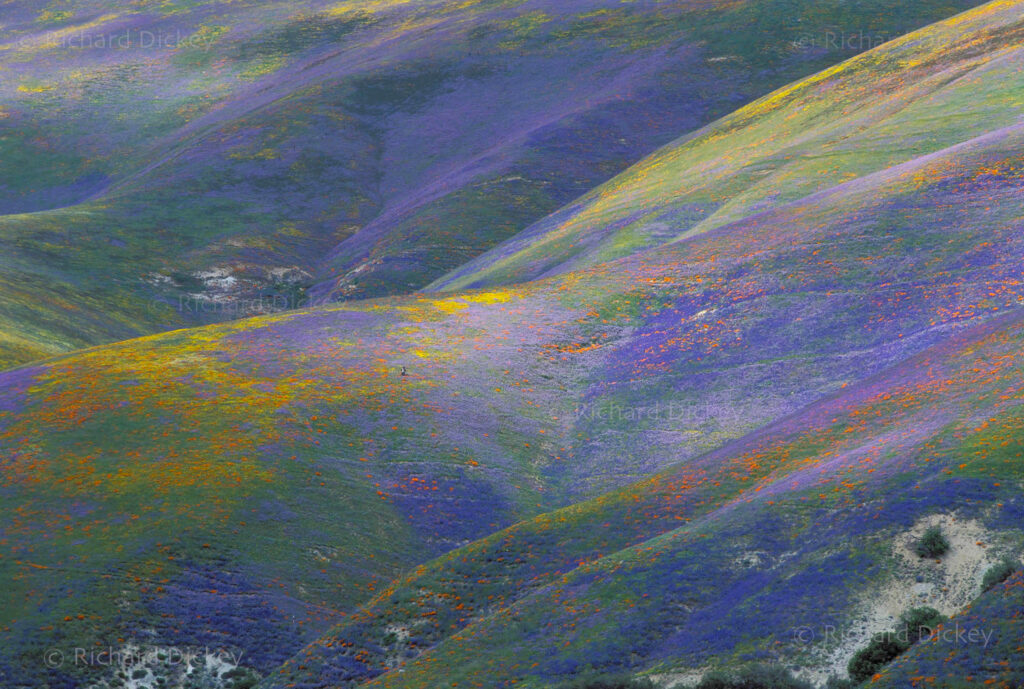
Aurora of Blue Wildflowers in the Desert
Desert wildflower blooms and auroras of the Arctics share a breathtaking, otherworldly beauty, yet they manifest in vastly different environments.
Desert blooms, like nature’s vibrant carpet, arise from the earth after the right combination of rain, temperature and sunlight. These fleeting spectacles burst into color across arid landscapes, drawing the eye with their delicate petals and expansive fields.
In contrast, auroras shimmer in the skies above the Arctics, created by solar winds interacting with the Earth’s magnetic field. They dance in luminous waves of green, pink and violet, casting a cosmic glow across the frozen wilderness. Both phenomena are rare, transient events—one rooted in the earth, the other in the heavens—offering a momentary, ethereal connection to nature’s most stunning wonders.
Ultimately, superblooms are among nature’s most unpredictable marvels—while auroras are far more common and much easier to witness, California’s carpet blooms remain elusive, making them even more extraordinary.
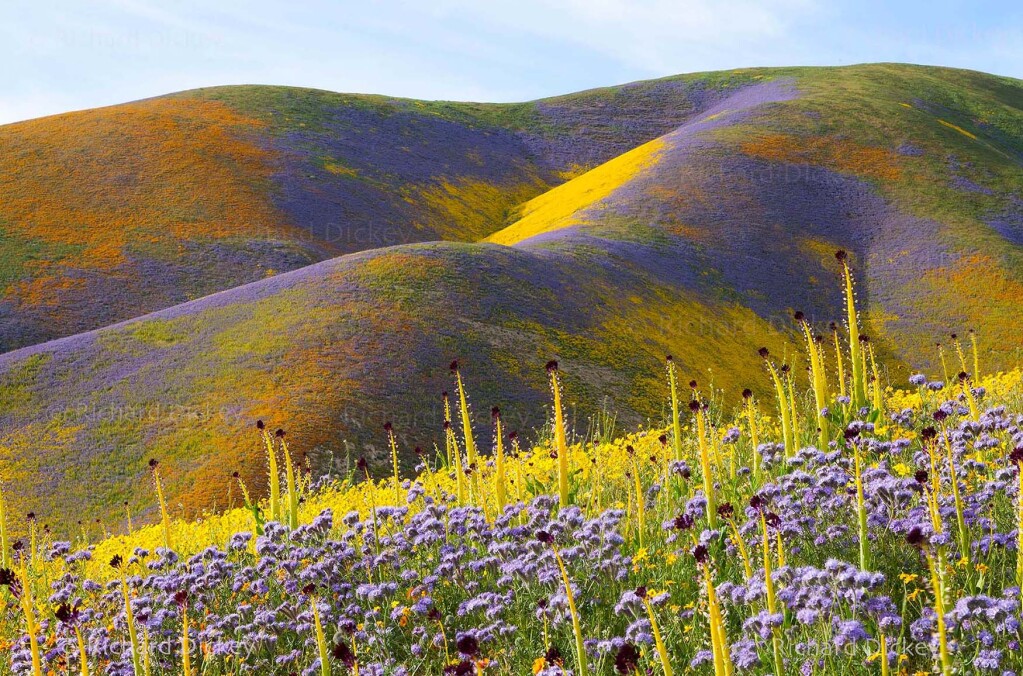
A lone photographer stands amidst an undulating blue aurora of wildflowers. As a cloud drifts across the hills, the warm sunlight cools to shades of gray and blue. Sunbeams pierce the swiftly moving clouds above, painting a living, breathing landscape of shifting shadows and sudden flashes of light. Bentham lupines (Lupinus benthamii), pygmy lupines (Lupinus bicolor), globe gilia (Gilia capitata), lacy phacelia (Phacelia tanacetifolia), coreopsis (Leptosyne californica), desert dandelions (Malacothrix californica) and California poppies (Eschscholzia californica) blanket hillsides of Gorman, California · April 2003.
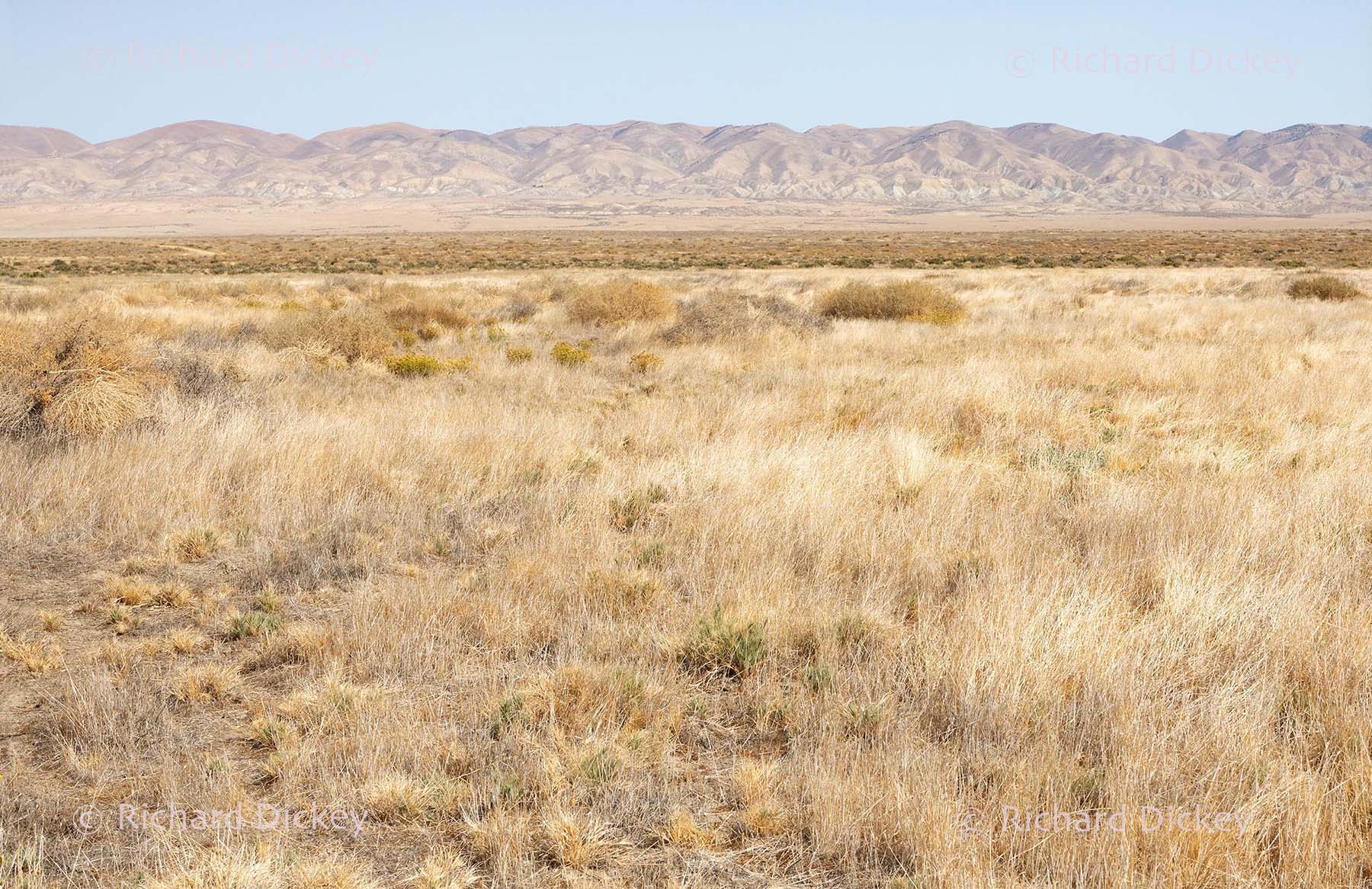
Dormant Land, Extraordinary Potential
A super bloom is defined not only by what appears, but by the transformation itself. Landscapes that look dry and ordinary for much of the year can hold the dormant potential for one of nature’s most spectacular displays.
Where California’s Wildflowers Grow
Discover where California’s extraordinary wildflowers bloom—from deserts and coastal plains to mountain forests and alpine meadows.
Continue Reading →